Acting High Commissioner of Sri Lanka Opens African Universities and Communities Climate Week 2026 at Kenyatta University
Ms. Ruvini De Silva, Acting High Commissioner of Sri Lanka to Kenya, attended the opening ceremony of the Second African Universities and Communities Climate Week 2026 as the Chief Guest today at Kenyatta University.
The event was co-organized by the Department of Environmental Science and Education of Kenyatta University and the Africa Community of Planetary Partners for Health and Environment (ACOPPHE), bringing together researchers, academics, policymakers, development partners, community leaders, indigenous knowledge holders, students and young leaders to advance collaborative approaches to climate action.
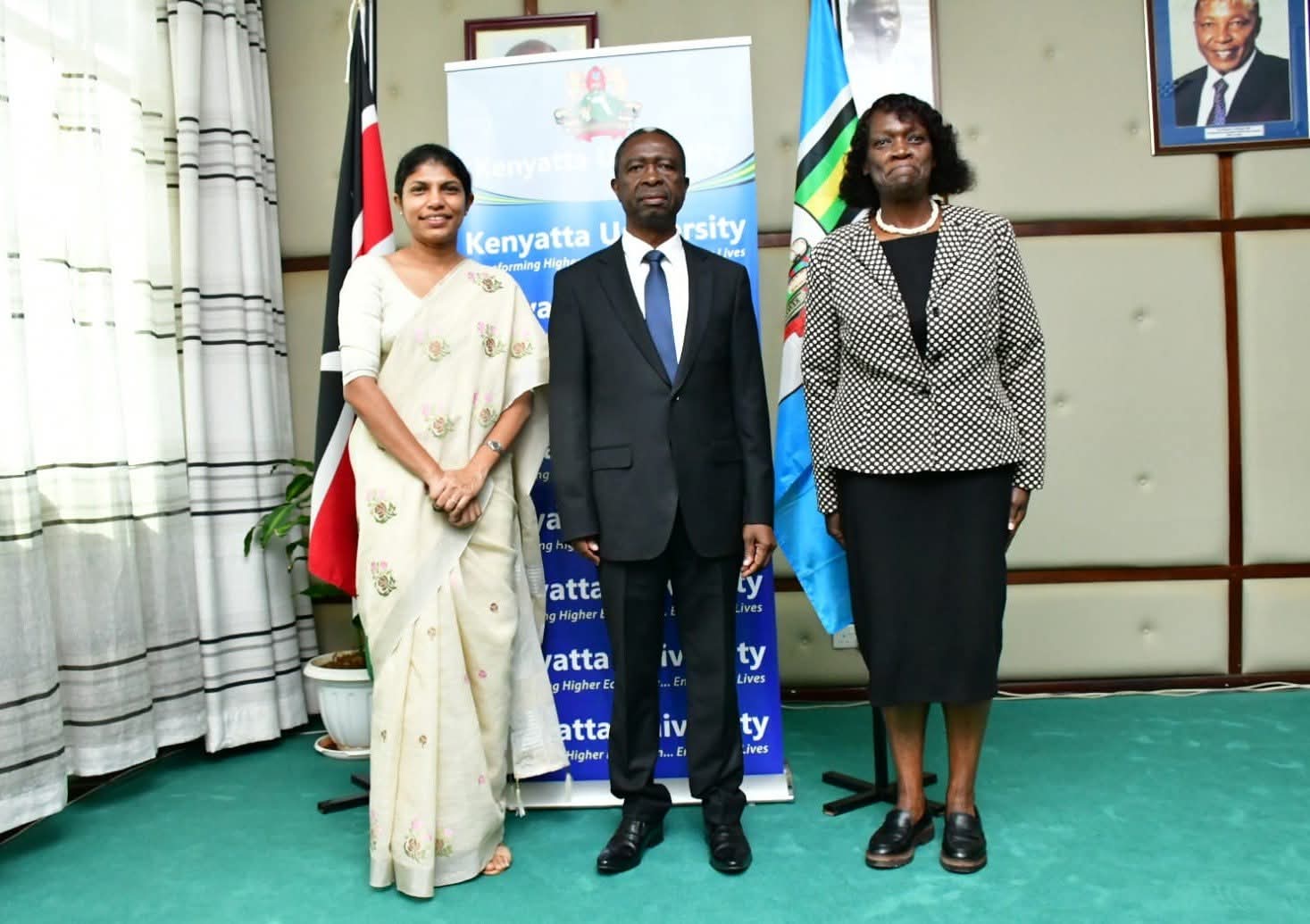
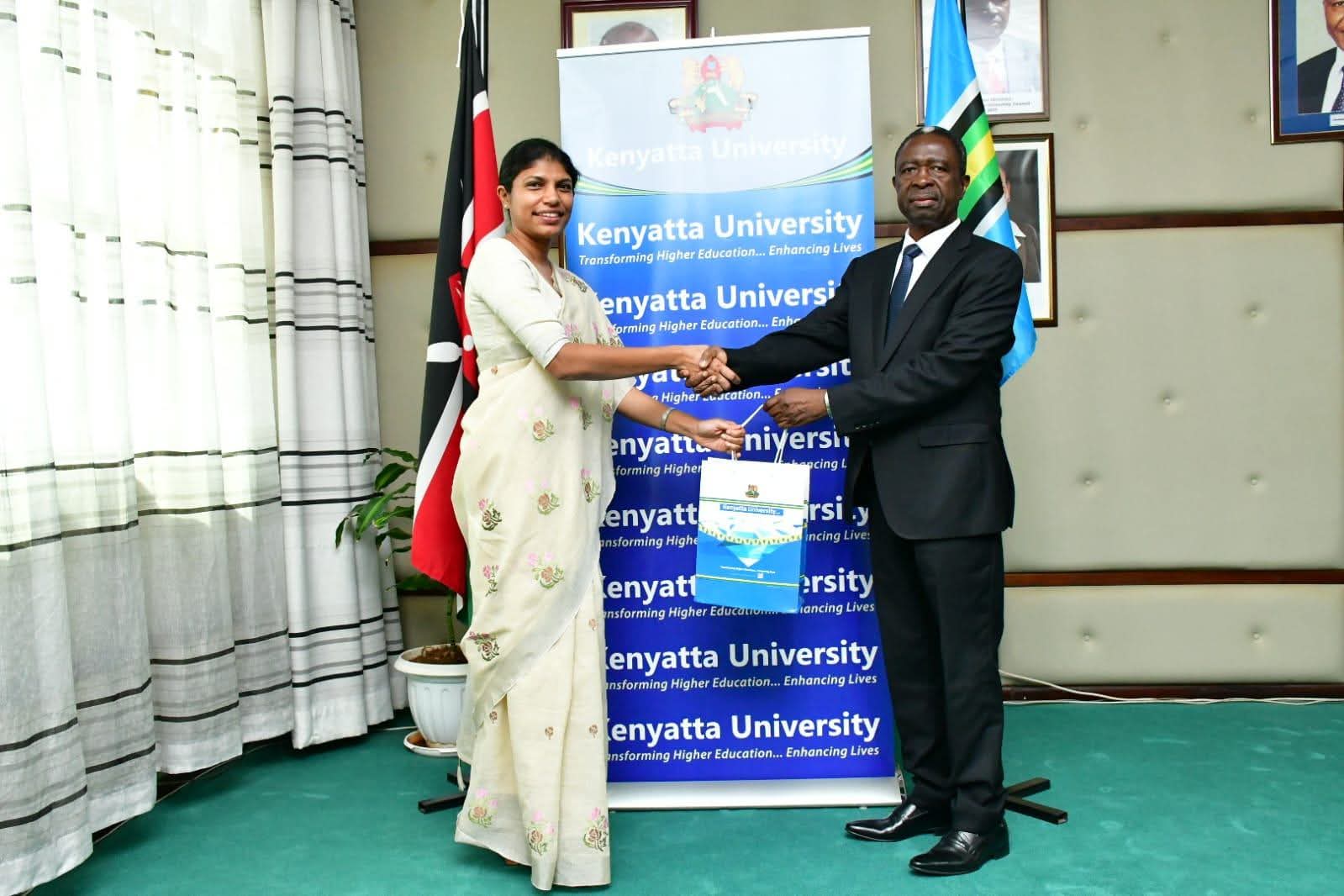
The programme commenced with a courtesy call on Prof. John Okumu, Vice-Chancellor of Kenyatta University, during which discussions focused on the importance of strengthening collaboration among universities, communities and other stakeholders in addressing climate and environmental challenges.
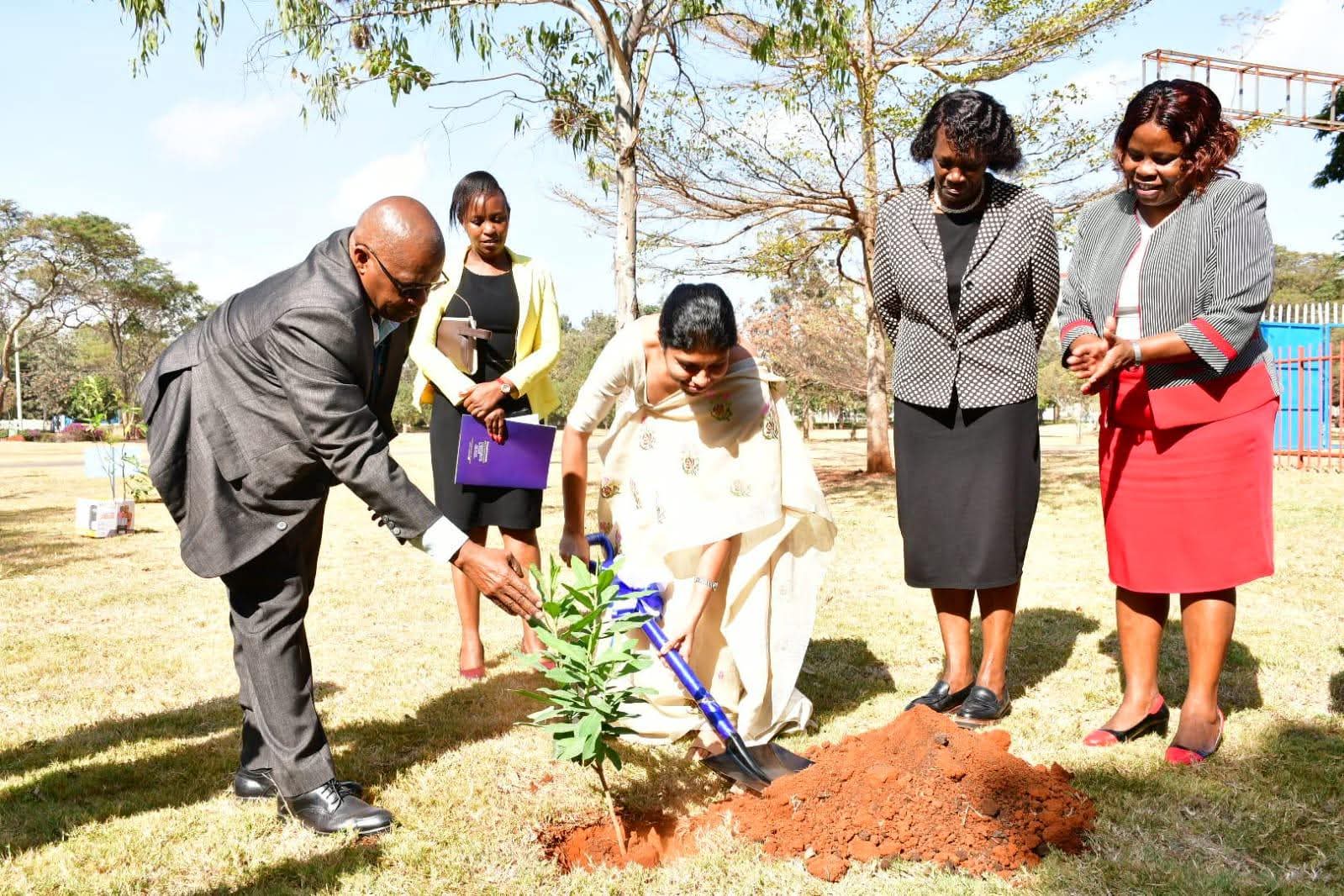
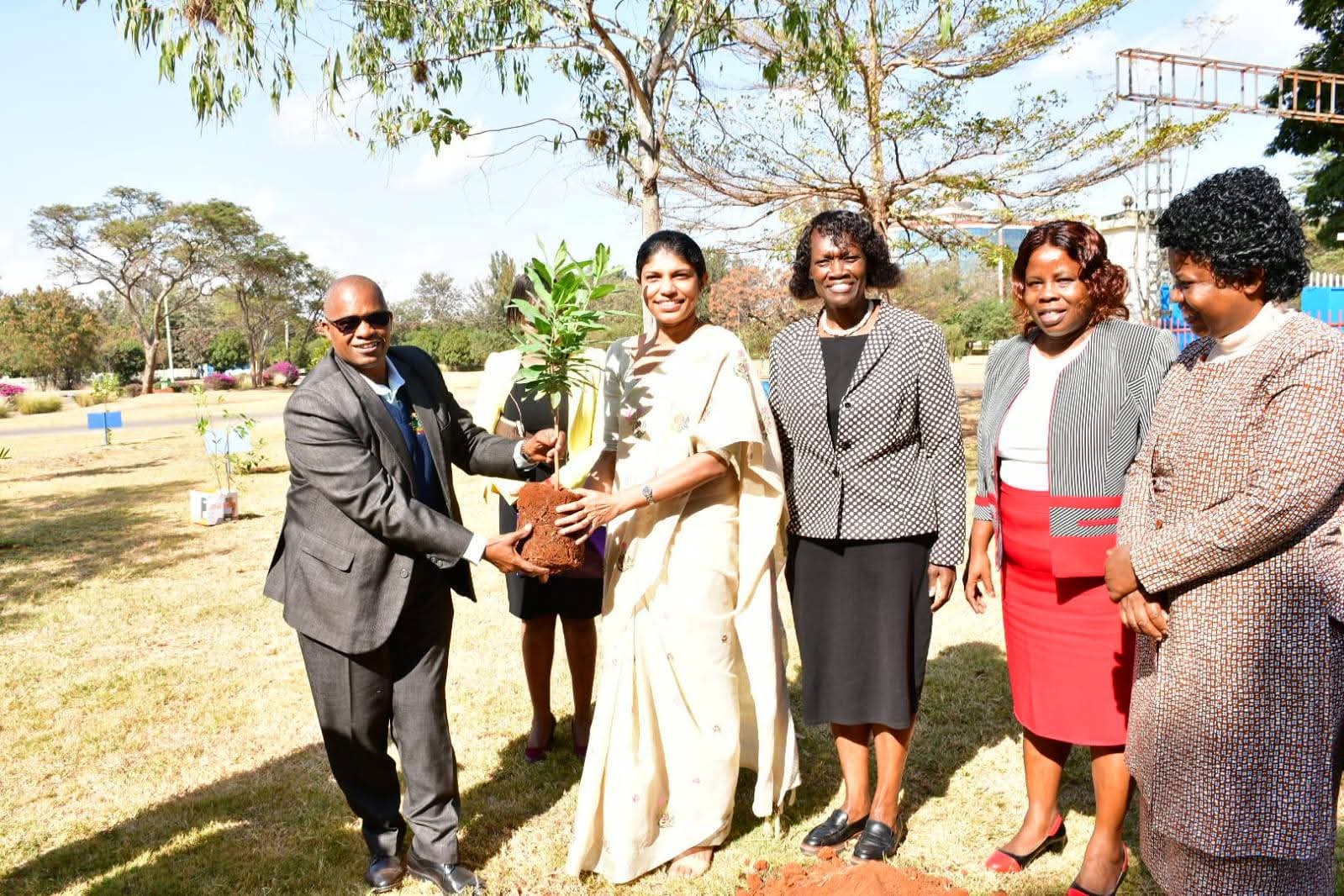
Following the courtesy call, the Acting High Commissioner joined the Deputy Vice-Chancellor and other distinguished guests in a tree-planting initiative, symbolizing the shared commitment to environmental stewardship, ecosystem restoration and practical climate action.
Delivering the keynote address at the opening ceremony, Ms. De Silva highlighted that climate change in Africa is no longer a distant projection but a lived reality, manifested through droughts, floods, threats to food security, biodiversity loss and growing health risks. She emphasized that climate change is not merely an environmental concern, but also a developmental, public health, economic and human dignity issue.
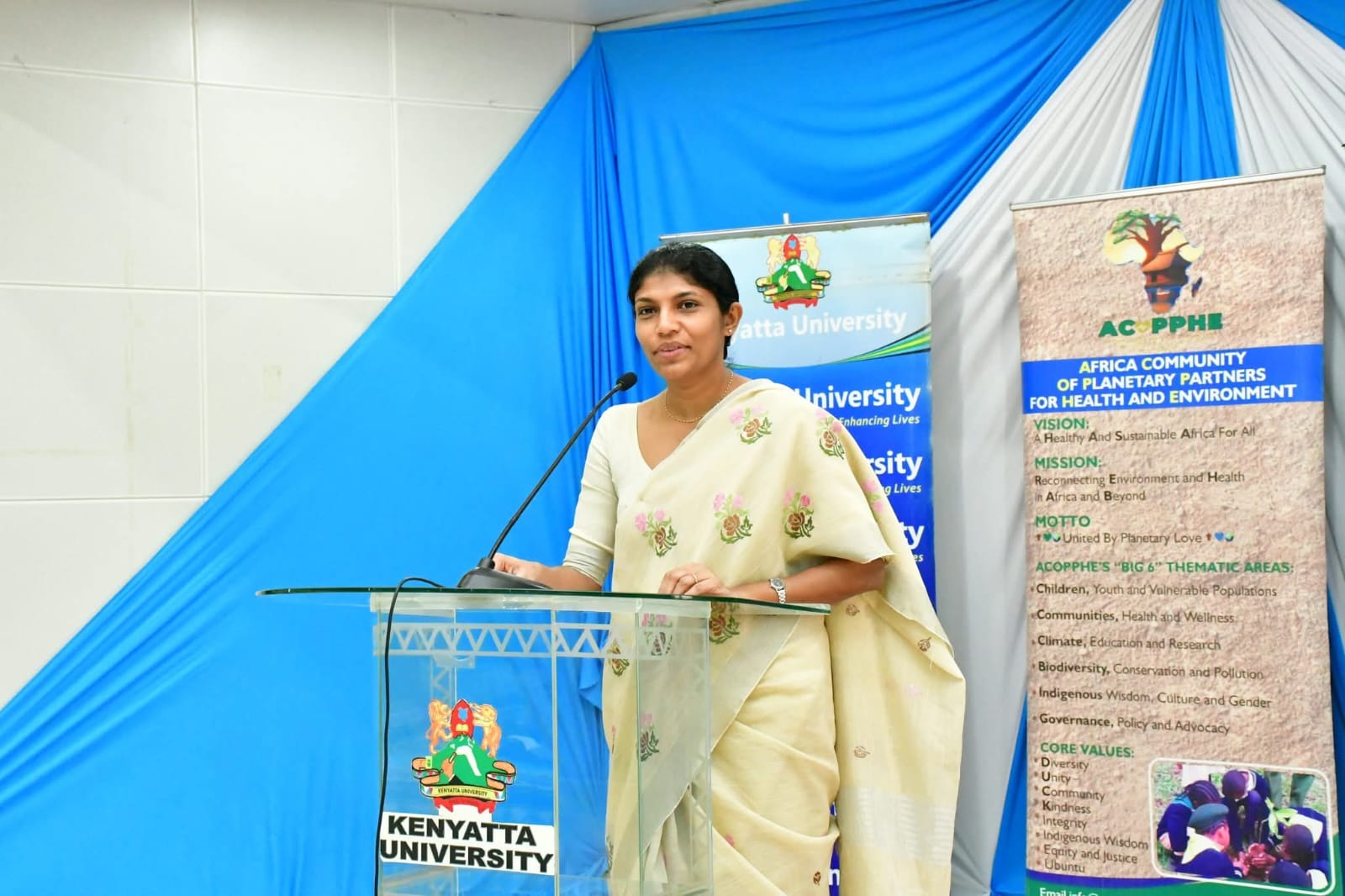
Referring to the theme of the conference, “One Health for One Planet: Leveraging Local and Indigenous Innovations to Unite Urban and Rural Communities for Sustainable Development and Climate Action,” the Acting High Commissioner underscored the inseparable relationship between human health and planetary health. She stressed the need for integrated solutions that bring together scientific knowledge, indigenous knowledge and community experience.
Ms. De Silva also emphasized the important role of universities in translating research into policies, technologies and practical solutions that improve the lives of communities. She noted that universities should serve not only as centres of discovery, but also as centres of partnership, working closely with governments, civil society, the private sector and communities.
She further highlighted the invaluable contribution of indigenous communities and local knowledge holders, noting that communities are not merely recipients of knowledge but are themselves creators and custodians of generations of ecological knowledge. She called for greater dialogue between scientific and indigenous knowledge systems to develop locally relevant and sustainable climate solutions.
The Acting High Commissioner stressed that meaningful climate action requires inclusive and intergenerational partnerships, with Indigenous Peoples and youth placed at the centre of decision-making. She encouraged participants to move beyond academic discussions and forge partnerships that translate research and ideas into concrete action and lasting impact.
Concluding her keynote address, Ms. De Silva declared the African Universities and Communities Climate Week 2026 officially open, expressing the hope that the gathering would serve as a milestone in strengthening partnerships between universities and communities, science and society, and local innovation and global action.
The participation of the Acting High Commissioner reflects Sri Lanka’s continued commitment to strengthening international cooperation on climate change, environmental sustainability, knowledge sharing and community-driven solutions.